
Traveling Between Time Zones with a Baby
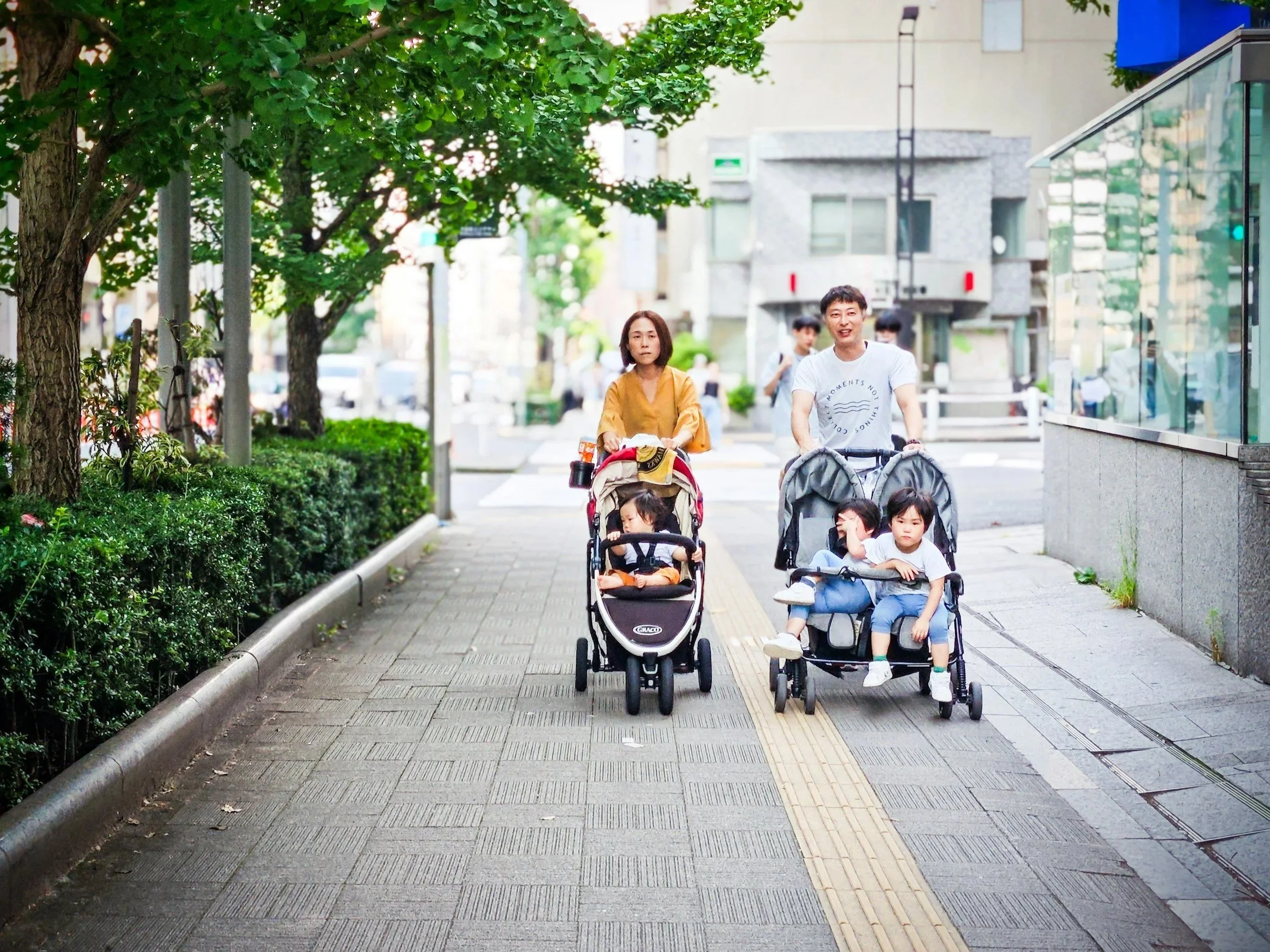
Traveling with a baby is exciting, but every new parent dreads the sleep part. Change in time zones, unfamiliar rooms, and disrupted routines can throw even the best sleeper off track.
The good news is that with a bit of planning, you can keep your baby (and yourself) rested throughout the trip — and get back on track quickly once you're home. Let’s get into it.
Travel Tips
Don't overschedule.
It's tempting to pack every day with sightseeing and activities, but remember you're traveling with a child whose needs come first. Build in downtime and don't be afraid to skip an activity if your baby needs rest instead.
Bring sleep props.
Pack your child's favorite sleep toy, blanket, or other comfort item. Familiar objects help signal that it's time to sleep, even in an unfamiliar room.
Avoid bedsharing if your baby already sleeps independently.
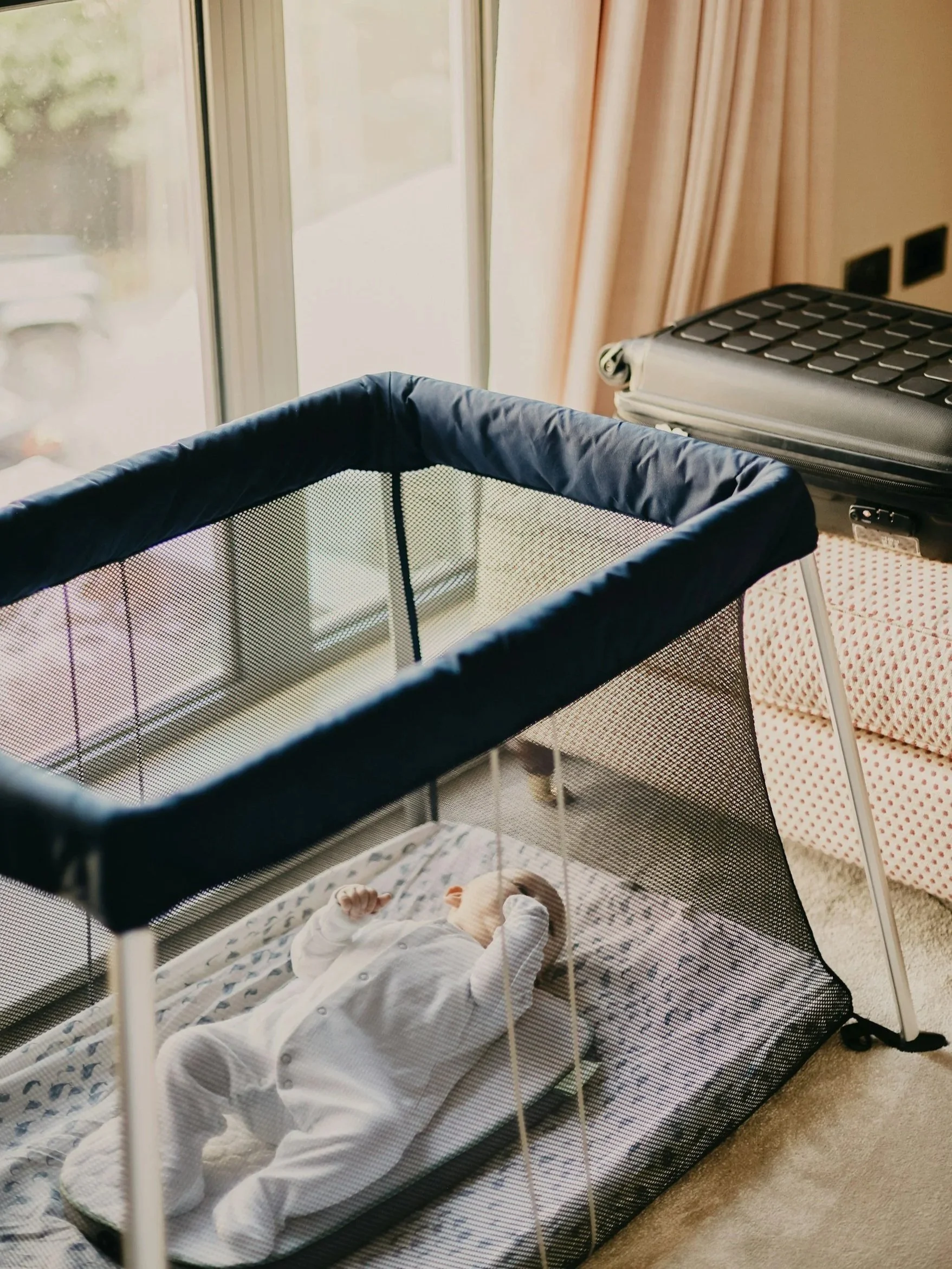
Where possible, stick with your baby's usual sleep setup by bringing a travel playpen or get a hotel cot rather than sharing a bed.
Time Changes & Jet Lag
The plane ride.
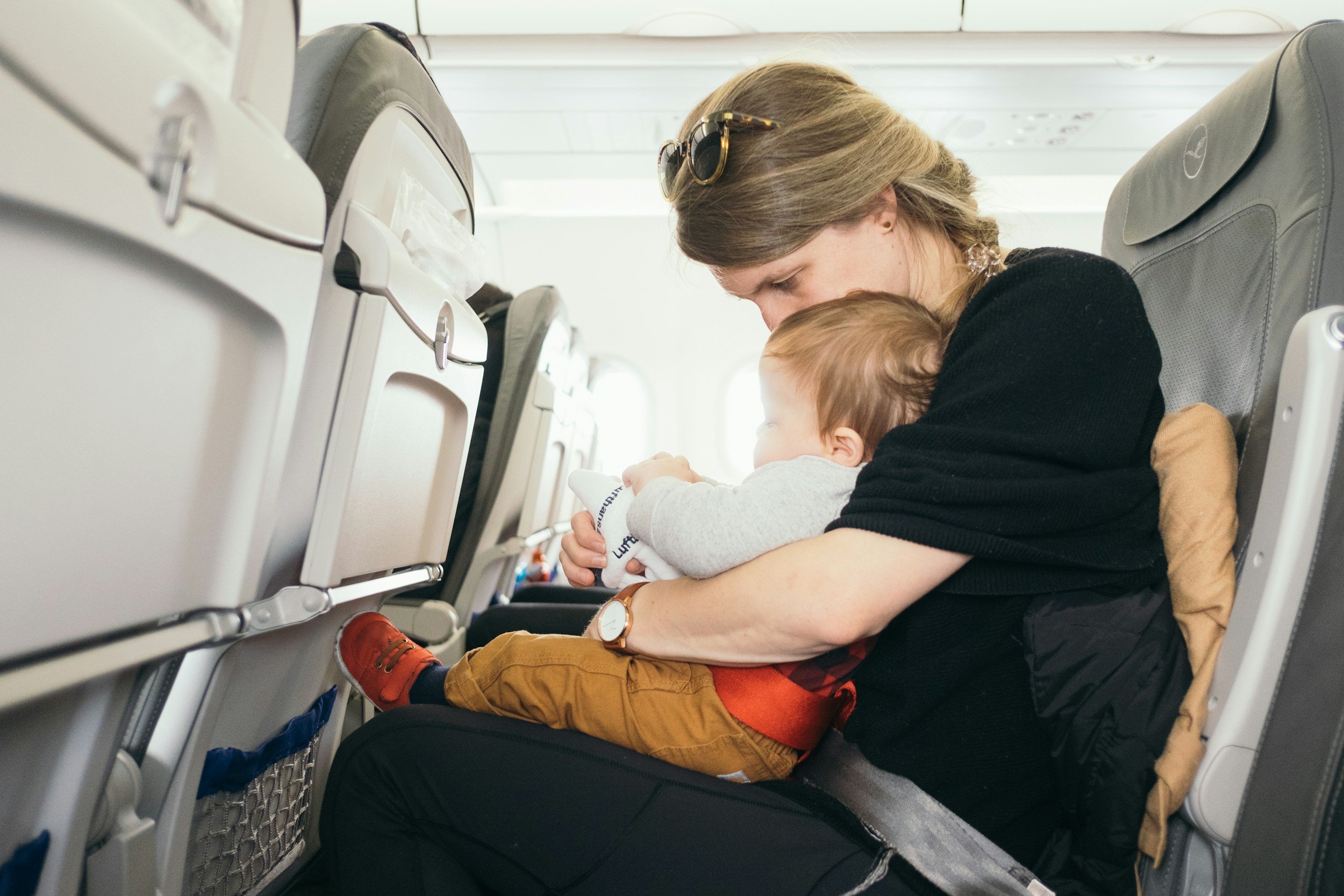
Plan ahead and bring items to keep your baby occupied and comfortable during the flight. If you fall back on "old ways" to help your child settle mid-flight, return to your normal routine as soon as you land.
No drastic changes before travel.
Don't try to adjust your child to the new time zone or a new sleep environment right before you leave. Make sure they're well-rested going in — well-rested children handle jet lag better.
Adjusting to the new time zone.
Jump into the new time zone as soon as you can by shifting meals, milk, and sleep to the local schedule right away.
The sleep debt from a long flight can actually help your child adjust more quickly.
For the first few days, cap the longest nap at 3 hours, then wake your child and get them into daylight.
It's fine to offer an extra nap if your child needs it to get through the day.
If you're choosing between an awkwardly timed dinner-hour nap and a slightly earlier bedtime, go with the earlier bedtime. Limit the last nap to 45 minutes and make sure it doesn't run too close to the new bedtime.
Sunlight.
Daylight helps reset the body clock, so make sure your baby gets plenty of it during the day.
Darkness.
Give your baby at least 2 hours of dim light or darkness before bedtime in the new time zone. Blackout blinds help. This supports melatonin production. Keep the room dark until 7:00 AM local time, even if your baby wakes overnight.
It typically takes 3 to 4 days for the body to fully adjust, so be patient. Follow these same steps when you return home to help your child readjust to local time.
Tips for Getting Back on Track After Vacation
Leave vacation habits on vacation.
If you loosened things up while traveling — feeding to sleep, later bedtimes, different sleep arrangements — leave it behind. Go straight back to your normal routine and stay consistent.
Stay active.
Active play during the day makes naps and nights easier. Find the balance between settling back into routine and giving your child time to move.
Use daylight to your advantage.
Natural light helps reset your child's internal clock. Spend a few minutes outside if you can, or simply open the blinds and let daylight in during playtime.
Give it time.
Readjusting can take a few days. If you crossed time zones, expect roughly one day of adjustment for every hour of time difference. Give everyone space to settle back into home time and normal routines.

Frequently Asked Questions
Q: How long does it take a baby to adjust to a new time zone?
Most babies take about 3 to 4 days to fully adjust. As a rule of thumb, expect roughly one day of adjustment for every hour of time difference.
Q: Should I try to shift my baby's schedule before we travel?
No. It's better to keep your baby on their normal schedule and well-rested right up until departure, then adjust once you arrive at your destination.
Q: What if my baby wakes up in the middle of the night in the new time zone?
Keep the room dark and treat it like a normal night waking. Avoid turning on bright lights or starting the day early — keep things dark until around 7:00 AM local time to help their body clock catch up.
Traveling with a baby doesn't have to mean sacrificing sleep. Pack familiar comfort items, avoid overscheduling, and stick to a cot or playpen instead of bedsharing if possible. Once you arrive, adjust to the new time zone right away using sunlight, darkness, and a consistent schedule — and expect it to take a few days. When you're back home, ditch any vacation habits, get back to your routine, and give your family time to readjust.
Want tips tailored to your child's unique temperament?
Subscribe to our newsletter for guidance on handling sleep in a way that actually works for your little one.